
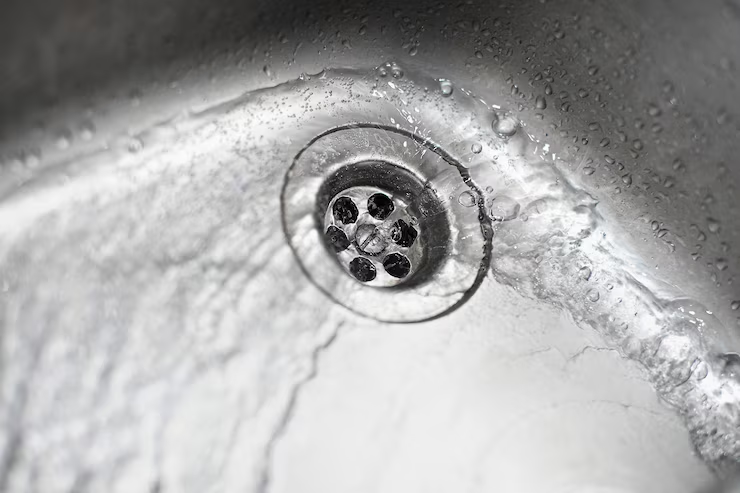
Grease Drain
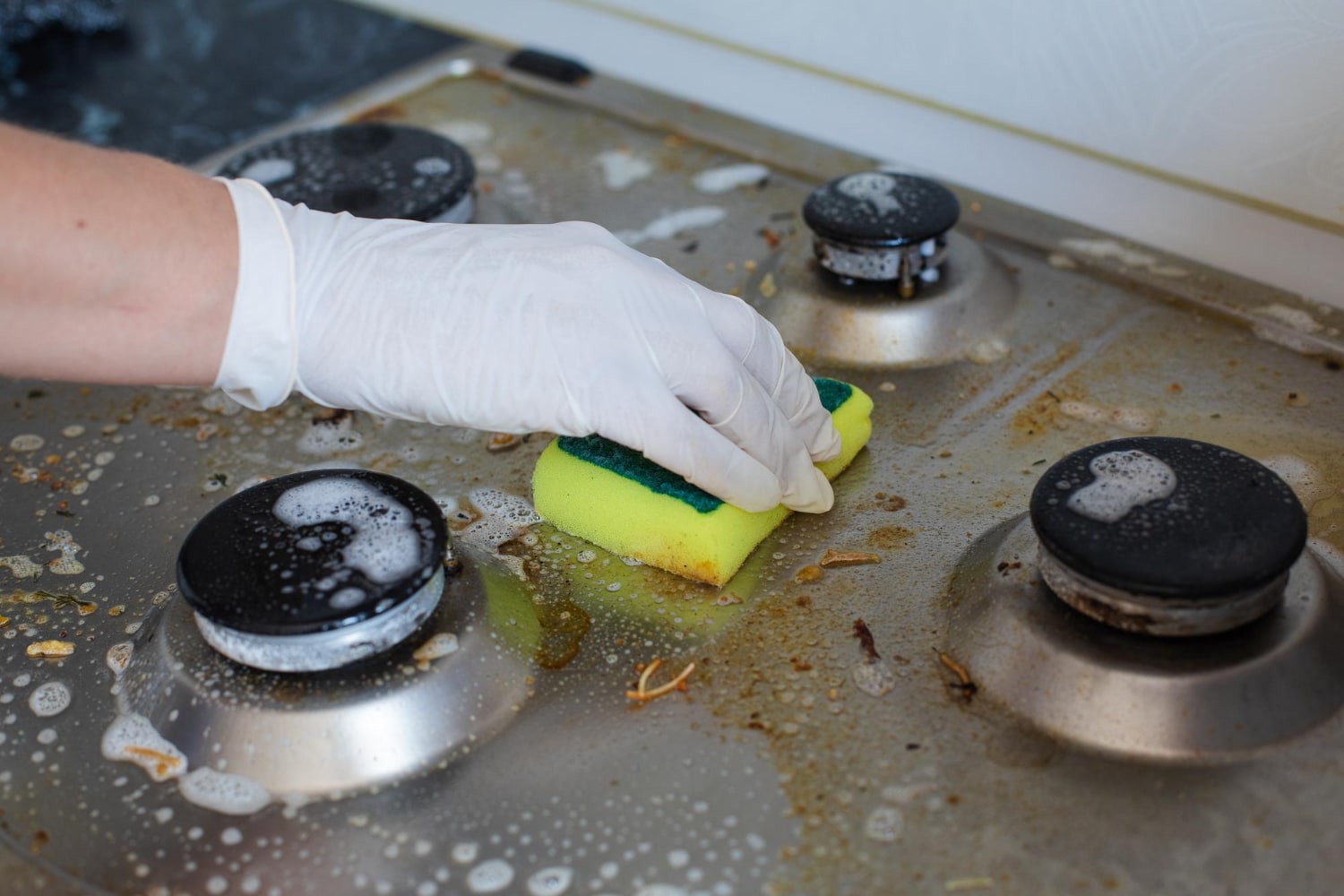
Grease Drain, is it Harmful?
“The squeaky wheel gets the oil”, that’s what they always say. Why? Because oil makes things move smoother. It’s like the oil inside car engines and electric motors. That’s true of industrial lubricants but the opposite is true for cooking grease and your plumbing pipes. This is the case due to the fact that industrial lubricants operate on moving parts that generate heat. This keeps the oil viscous. It can be a real temptation to pour leftover cooking oils down your sink drains. Many feel it will do no harm. That’s not true.
The oils and grease from food preparation is the main cause of sewage overloads and backed up plumbing. My advice to you is, get out of the habit of pouring old grease down your kitchen sink drains. The grease collects on the walls of your pipes and over time will completely block the flow. Hot water only alters where the blockage will occur.
Where does the grease drain come from?
Many of the foods we eat contain oils that become grease-like when processed and cooled. As a whole food scrap, we may even be able to send it down the garbage disposal. But once processed into a cooking oil, it’s a different matter.
Where does cooking oil come from? Most cooking oils are synthetic fat-like substances that we use to fry our chicken or bake our cakes. These are also utilized in salad dressings and dips. Within the food preparation industry, some simply call these “edible oils”.
A liquid at room temperature, vegetable oils are commonly used in most of our cooking. This would include rapeseed oil, soybean oil, corn oil, palm oil, peanut and olive oils. Using these oils as a base, they can’t be enhanced with the fragrance of herbs and chilies. There are also animal fat based grease sources like lards and butter which tend to solidify at room temperature. Some vegetable oils will also solidify at room temperature as well. Oils containing saturated fats like certain palm oils and coconut oil will be solid at room temperature.
Something to keep in mind is that these cooking oils are made up of multiple fatty acids. This design makes it easier to fry foods at a constant temperature. Oils high in monounsaturated fats work best. That means you are putting a lot of different fats down the drain. Heating oil alters its properties. Deep fryers need a blend of the correct heat tolerance.
What can you do to keep grease from clogging up your drains?
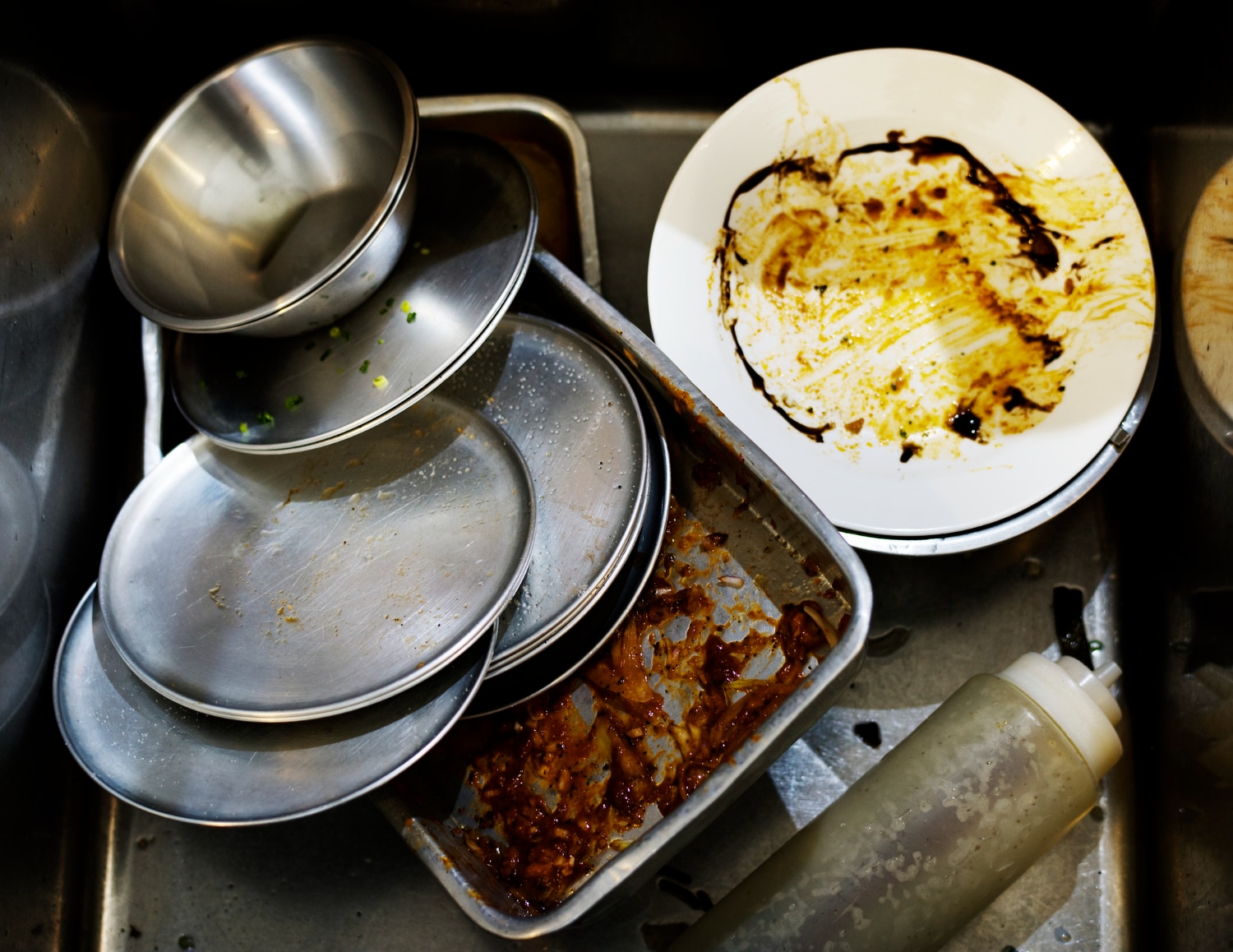
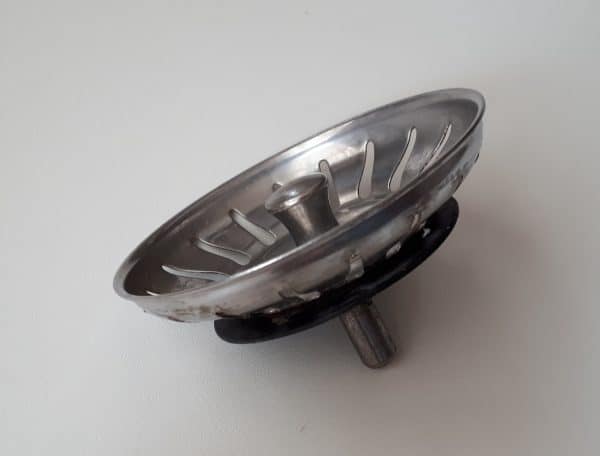
First of all, garbage disposals work to pulverize small food scraps, they don’t take the grease out of food. When cleaning up after a tasty meal, put greasy uneaten food into the trash can and not your kitchen sink. Don’t let them get poured down the kitchen sink drain. Purchase a high-quality sink strainer. That way when you rinse the dishes, oily foods can be placed in the garbage.
After preparing a nice dinner, pour the resulting fat and grease into a jar. Let it cool down while you are enjoying your meal. Then, after sealing the jar put it in the trash bin. Most trash bins are made out of plastic these days. Allowing the grease to cool down protects the plastic bin from melting.
If you or your business owns a deep frying machine for french fries and fried chicken, it’s important to recycle the old oil. Some companies will offer free grease collection, others require you to drop it off. Either way, don’t pour it down your drains.
What are the consequences of grease drains? Large amounts of cooking grease will cause your drains to clog and this leads to sewage spills and pipe backups. Grease in your drains is what causes those bad smells as well. That’s why drain cleaning is really important to prevent the grease harden and pile up.

Over 400 5-star reviews


CONTACT US
Let’s talk!
 Call us now or send us a message using the form.
We’ll call you back shortly to book your appointment.
We look forward to helping you.

"*" indicates required fields